
𝐈𝐫𝐚𝐧 𝐒𝐡𝐨𝐰𝐜𝐚𝐬𝐞𝐬 𝐏𝐫𝐢𝐦𝐢𝐭𝐢𝐯𝐞 𝐃𝐫𝐨𝐧𝐞 𝐚𝐧𝐝 𝐌𝐢𝐬𝐬𝐢𝐥𝐞 𝐓𝐞𝐜𝐡𝐧𝐨𝐥𝐨𝐠𝐲 𝐚𝐭 𝐌𝐨𝐬𝐜𝐨𝐰 𝐌𝐢𝐥𝐢𝐭𝐚𝐫𝐲 𝐄𝐱𝐡𝐢𝐛𝐢𝐭𝐢𝐨𝐧
On August 12, 2023, Iran made a significant impression at a military exhibition in Moscow, where it showcased its latest drone and missile technologies. This event highlighted the strengthening defense ties between Iran and Russia, particularly in the context of regional security dynamics and ongoing military conflicts.
𝐓𝐡𝐞 𝐌𝐨𝐡𝐚𝐣𝐞𝐫-𝟏𝟎 𝐃𝐫𝐨𝐧𝐞 🤡
One of the standout exhibits was the Iranian Mohajer-10 drone, which was officially unveiled just a few weeks earlier in August 2023. The Mohajer-10 represents a leap forward in Iran's unmanned aerial vehicle (UAV) capabilities, boasting impressive specifications. It has an operational range of approximately 2,000 kilometers, allowing for long-range missions. The drone is capable of flying for up to 24 hours, making it suitable for extended surveillance and reconnaissance operations. Additionally, it can carry a payload of up to 300 kilograms, which opens up various operational possibilities, including the deployment of munitions or advanced surveillance equipment.
Brigadier General Ali Shadmani, a prominent Iranian military official, emphasized the global recognition of Iranian drones during the exhibition, stating that they are "world famous." This assertion underscores Iran's ambition to position itself as a key player in the global defense market, particularly in the UAV sector.
𝐇𝐢𝐠𝐡-𝐋𝐞𝐯𝐞𝐥 𝐄𝐧𝐠𝐚𝐠𝐞𝐦𝐞𝐧𝐭 🤔
The exhibition also saw high-level visits from Russian officials, including Security Council Secretary Sergei Shoigu and Dmitry Shugayev, Director of the Russian Federal Service for Military-Technical Cooperation. Their presence at the Iranian booth indicates a strategic interest in Tehran's military advancements and suggests potential future collaborations.
𝐇𝐢𝐬𝐭𝐨𝐫𝐢𝐜𝐚𝐥 𝐂𝐨𝐧𝐭𝐞𝐱𝐭 𝐚𝐧𝐝 𝐅𝐮𝐭𝐮𝐫𝐞 𝐏𝐫𝐨𝐬𝐩𝐞𝐜𝐭𝐬
Iran's engagement in the exhibition is not an isolated event. In recent years, Iran has supplied Russia with its Mohajer-6 drones, which have been utilized to support Russian military operations in Ukraine. The introduction of the more advanced Mohajer-10 could signify a new phase in military cooperation between the two countries. Analysts speculate that Iran may be positioning itself to sell these state-of-the-art drones to Russia, further deepening their military partnership.
The exhibition also provided a platform for Iran to showcase its Ababil close-range ballistic missile, which was introduced at the same event in August 2023. Following the exhibition, Iran and Russia signed an agreement in December 2023 for the sale of Ababil missiles, illustrating the potential for commercial transactions arising from such displays.
𝐓𝐡𝐞 𝐂𝐡𝐚𝐥𝐥𝐞𝐧𝐠𝐞 𝐨𝐟 𝐀𝐦𝐞𝐫𝐢𝐜𝐚𝐧 𝐓𝐞𝐜𝐡𝐧𝐨𝐥𝐨𝐠𝐲 💯
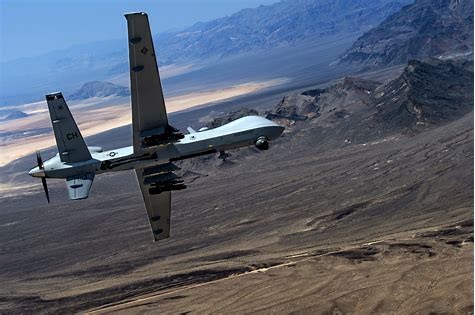
Despite the advancements represented by the Mohajer-10 and other Iranian military technologies, Iran and Russia will still face significant challenges, particularly from American-made systems. For instance, the **General Atomics MQ-9 Reaper** drone is a prominent example of an advanced UAV that outperforms the Mohajer-10 in several key areas. The MQ-9 Reaper has a range of over 1,800 miles (approximately 2,900 kilometers) and can loiter for extended periods while carrying a diverse array of payloads, including precision-guided munitions.
The technological edge provided by American systems, along with their integration into advanced military networks, poses a considerable challenge for both Iran and Russia. As they seek to enhance their military capabilities, they must contend with the sophisticated surveillance, targeting, and combat systems that NATO and U.S. forces employ in various theaters of operation.
𝐂𝐨𝐧𝐜𝐥𝐮𝐬𝐢𝐨𝐧
The military exhibition in Moscow serves as a critical juncture for Iran, highlighting its advancements in drone and missile technologies while reinforcing its strategic alliance with Russia. As global defense dynamics continue to evolve, the potential sale of advanced systems like the Mohajer-10 drone to Russia could have significant implications for regional and global security. However, the challenges posed by superior American technologies, such as the MQ-9 Reaper, remind us that the competition in military capabilities is ongoing. The ongoing collaboration between Tehran and Moscow may also set the stage for further military innovations and partnerships in the future, as both nations seek to enhance their defense capabilities in an increasingly complex geopolitical landscape.
---
For more information, please read Iran Update, August 13, 2024
https://www.understandingwar.org/backgrounder/iran-update-august-13-2024